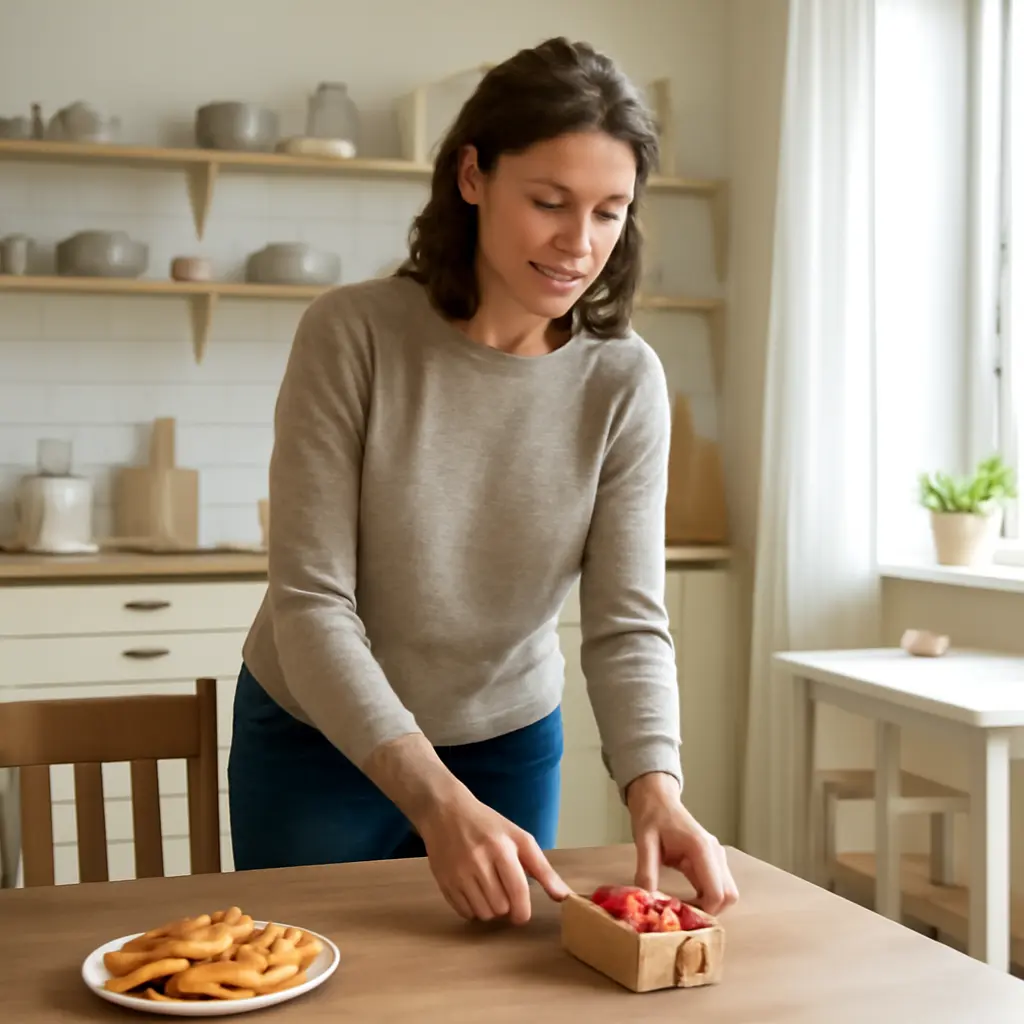
A care package is a collection of useful items sent to support someone, but its value depends on what the recipient can and will use. Food may seem comforting, yet allergies, dietary rules, storage limits, access to a kitchen, and personal taste can turn an unrequested snack box into waste or a burden. The practical rule is simple: ask before sending food, offer a few specific choices, and make nonfood support equally easy to request. That approach fits food-safety guidance, respects recipients’ autonomy, and matters in a country where the U.S. Department of Agriculture estimates that 30% to 40% of the food supply is lost or wasted.
Why recipient-led care packages prevent unwanted food
A recipient-led care package is one planned around the person’s stated needs rather than the sender’s assumptions. The Centers for Disease Control and Prevention (CDC) defines a food allergy as an immune-system reaction that occurs after eating a particular food; reactions can range from mild to life-threatening. A gift’s good intentions do not make its ingredients safe, suitable, or useful.
Food preferences are only part of the picture. Someone may lack refrigeration, cooking equipment, or room to store a large shipment. They may also be managing diabetes, swallowing difficulties, religious dietary requirements, or a temporary illness. Asking first helps distinguish between food that sounds caring to the sender and support that actually fits the recipient’s circumstances.
Unrequested food can create safety risks
Food safety includes whether an item is safe to eat, properly labeled, and kept at a safe temperature. The CDC identifies nine major food allergens in the United States: milk, eggs, fish, crustacean shellfish, tree nuts, peanuts, wheat, soybeans, and sesame. Even a well-meant assortment can expose someone to an ingredient they avoid or make it difficult to verify cross-contact risks.
Perishable food adds a delivery problem. The U.S. Department of Agriculture’s Food Safety and Inspection Service advises that perishable foods should not remain at room temperature for more than two hours, or one hour when the temperature is above 90°F. A package left on a doorstep may exceed those limits. If the recipient has not agreed to accept a delivery, they may not be home to refrigerate it.
Personal needs are not always visible
Dietary needs can be medical, cultural, religious, financial, or simply personal. A sender cannot reliably infer them from someone’s appearance, social media posts, or past meals. Asking a neutral question—“Would groceries, snacks, or something nonfood help most?”—gives the recipient room to answer without having to explain private health or financial details.
The same principle applies to people living in temporary housing, dormitories, shelters, or small apartments. Shelf-stable food may be useful for one person and impractical for another who has no pantry space, can opener, or way to prepare it. A brief check-in is often more useful than a large box chosen by guesswork.
How to plan a care package around stated needs
Planning around stated needs means asking the recipient what would help, then matching the package to their answer, timing, and delivery conditions. This is not a formal medical or government definition; it is a practical approach grounded in consent, accessibility, and food safety. It can include groceries, ready-to-eat items, nonfood essentials, or no package at all.
A useful question is specific but low-pressure: “I’d like to send something this week. Would you prefer groceries, a meal delivery, a few snacks you choose, or household essentials?” Offering options makes it easier to respond than asking, “What do you need?”—a broad question that can be hard to answer when someone is stressed.
Ask about preferences, restrictions, and practical limits
Before buying food, confirm the details that affect whether it can be used: ingredients to avoid, preferred brands or flavors, whether the person eats meat or animal products, and whether they have refrigeration and cooking facilities. Ask only what is needed to choose an appropriate gift. The recipient should not have to disclose a diagnosis to decline a food item.
The Food and Drug Administration (FDA) explains that packaged-food labels identify major allergens and provide ingredient information. Reading labels is important, but it does not replace asking the recipient: a product may still conflict with their preferences, dietary practices, or individual safety needs. When in doubt, a gift card or a direct offer to place an order lets the recipient select items themselves.
Choose food formats that match the recipient’s situation
If the recipient wants food, select a format that fits their equipment and schedule. Shelf-stable products may work where refrigeration is limited; easy-open, ready-to-eat foods may suit someone without a kitchen; and a grocery or restaurant gift card may offer more choice than a fixed assortment. Confirm delivery timing for anything perishable and include clear ingredient and date information.
Food insecurity data helps explain why choice matters, but it cannot tell a sender what a particular person wants. The USDA’s Economic Research Service reported that 13.5% of U.S. households—about 18.0 million households—were food insecure at some time during 2023. That national estimate indicates a widespread need for reliable food access; it does not mean every recipient needs, can store, or wants the same foods.
Make nonfood support a real option
A care package can help without containing food. Depending on what the person requests, useful options might include toiletries, warm socks, transit credit, a phone charger, household basics, or a handwritten note. These examples are possibilities, not a universal checklist: the recipient’s own priorities should guide the choice.
This matters because support can miss its mark when it assumes a person’s needs. A nonfood option also avoids putting someone in the awkward position of accepting, storing, giving away, or discarding food they cannot use. If the goal is emotional connection, a message or planned visit may be more meaningful than a shipment.
How recipient choice reduces food waste
Recipient choice reduces food waste by preventing purchases that do not match someone’s diet, capacity, or preferences. The USDA estimates that 30% to 40% of the U.S. food supply is lost or wasted. That figure covers the broader food system, not care packages specifically, but it underscores the value of buying food with a real user and a realistic plan in mind.
Food waste also carries environmental costs. The U.S. Environmental Protection Agency identifies wasted food as a major contributor to municipal solid waste and notes that food in landfills generates methane as it decomposes. Preventing an unnecessary purchase is not a complete solution to food waste, but it is a straightforward way for an individual sender to avoid adding edible food to the problem.
Match quantity to actual use
A large assortment can look generous while creating pressure to consume items before they expire. Ask how many people the package is for and whether a smaller amount would be more useful. Check dates, package sizes, and storage needs, especially when sending food to a single person or a household with limited cupboard space.
For a group effort, a short preference form can prevent duplicate or unsuitable donations. Organizers can ask for broad categories—such as shelf-stable meals, fresh produce, or nonfood essentials—without collecting unnecessary personal details. The form should make it clear that people may decline food or request alternatives.
Coordinate delivery and handling
Coordination means confirming the delivery address, arrival window, and whether someone can receive and store the contents. For perishable items, use a delivery method that maintains safe temperatures and arrange for prompt refrigeration. The USDA’s two-hour room-temperature guidance—and one-hour limit above 90°F—shows why a surprise shipment of chilled or frozen food is risky.
If a recipient cannot be present, choose shelf-stable items they have requested, reschedule the delivery, or ask whether a nearby trusted person can receive it. Do not assume a carrier’s delivery notice means the food was collected quickly or remained safe.
A practical checklist for thoughtful food gifts
A simple checklist turns good intentions into a package the recipient can actually use. It also keeps the process respectful: the aim is to offer support, not to make someone manage unwanted items or explain personal circumstances.
- Ask whether the person wants a package and what kind of support would help.
- Confirm food preferences, allergies or ingredients to avoid, and any storage or cooking limits they choose to share.
- Offer choices, including a gift card or nonfood items.
- Buy only a quantity the recipient can reasonably use.
- Check labels, dates, packaging, and delivery timing.
- Confirm that someone can receive and safely store perishable food.
- Make it easy to say no, change the plan, or request a different option.
For example, instead of sending a surprise box of snacks to a friend recovering at home, ask whether they would prefer a grocery credit, a particular ready-to-eat meal, or household supplies. If they choose food, confirm delivery timing and any ingredients to avoid. If they choose something else, respect that answer without treating it as a rejection of the gesture.
Conclusion: Let the recipient define what care looks like
A useful care package starts with the recipient’s stated needs, not the sender’s assumptions. Asking first helps prevent allergy and food-safety risks, accounts for dietary and practical limits, and reduces the chance that food will go uneaten. When food is welcome, confirm preferences, quantity, storage, and delivery; when it is not, offer nonfood support or let the person choose through a gift card.
The broader lesson is that care is most effective when it preserves choice and dignity. Before sending anything, ask one simple question: “What would be genuinely useful to you right now?” Then let the answer shape the package.
Sources: U.S. Department of Agriculture, Food Loss and Waste, https://www.usda.gov/about-food/food-safety/food-loss-and-waste; Centers for Disease Control and Prevention, Food Allergies, https://www.cdc.gov/food-safety/about/food-allergies.html; U.S. Department of Agriculture, Food Safety and Inspection Service, Food Safety During Power Outages, https://www.fsis.usda.gov/food-safety/safe-food-handling-and-preparation/emergencies/food-safety-during-power-outages; U.S. Food and Drug Administration, Food Allergies, https://www.fda.gov/food/food-labeling-nutrition/food-allergies; U.S. Department of Agriculture, Economic Research Service, Household Food Security in the United States in 2023, https://www.ers.usda.gov/publications/pub-details/?pubid=109895; U.S. Environmental Protection Agency, Sustainable Management of Food, https://www.epa.gov/sustainable-management-food