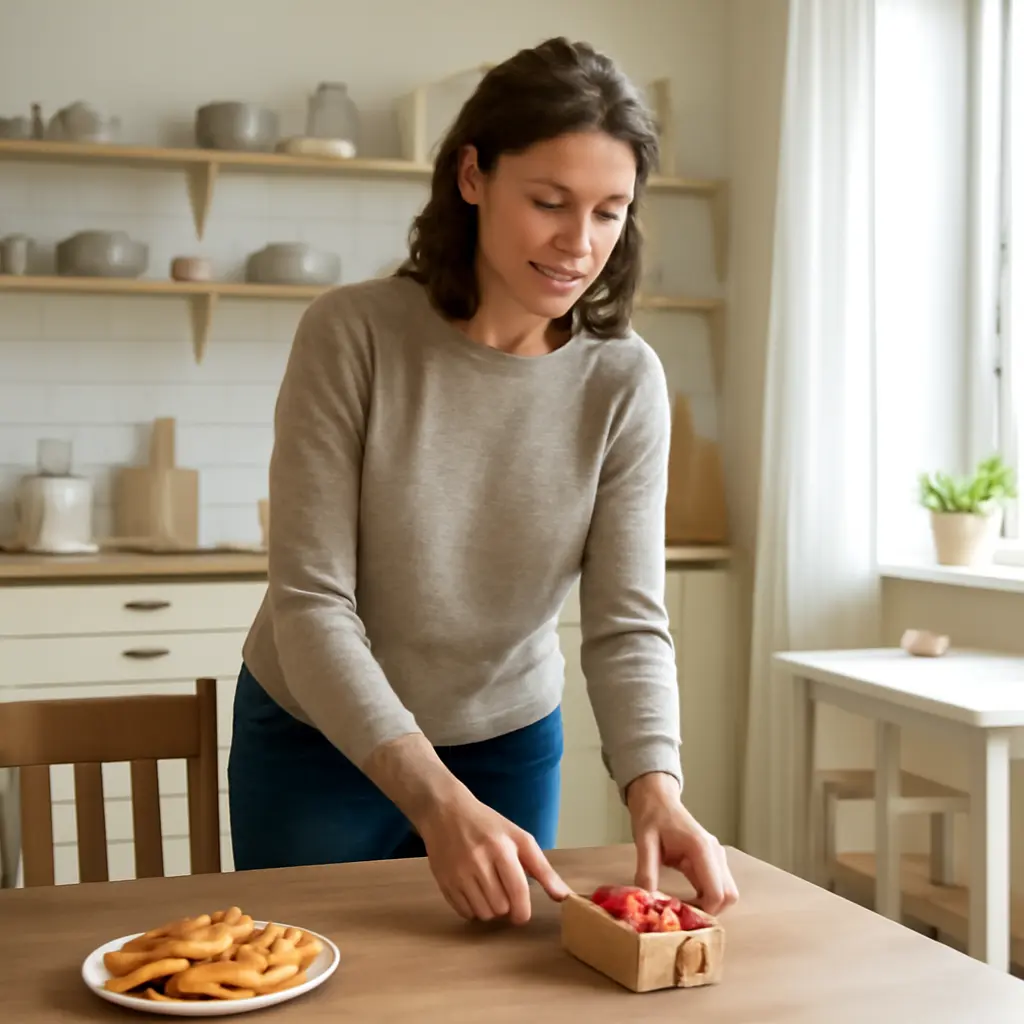
A practical baby gift supports both the newborn’s daily care and the recovering parent’s needs. Newborn essentials such as diapers and feeding supplies matter, but postpartum recovery can also involve physical healing, disrupted sleep, and adjustment to a new routine. The World Health Organization recommends continued postnatal care for parents and babies, while the U.S. Centers for Disease Control and Prevention (CDC) emphasizes that urgent maternal warning signs can arise during the year after birth. Thoughtful gifts therefore combine useful baby supplies with parent-focused comfort, practical help, or a contribution tailored to the family’s preferences.
Practical baby gifts support postpartum recovery and newborn care
A practical baby gift is an item or service chosen to meet a family’s real needs during the early weeks after birth. It can include newborn essentials, recovery supplies requested by the parent, meal support, or help with everyday tasks. The central principle is usefulness without assumption: postpartum experiences differ, so the best gift respects the parent’s preferences and avoids presenting a gift as a substitute for medical care.
The need is substantial. The CDC reports that pregnancy-related deaths can occur during pregnancy and up to one year after pregnancy ends, and that more than 80% of pregnancy-related deaths in the United States are preventable, based on its review of maternal mortality data. These figures do not mean a gift can prevent complications; they underscore why practical support should complement professional postpartum care and make it easier for families to rest, eat, and seek help when needed.
Practicality defines a recovery-supportive baby gift
“Practical” has no single medical definition for baby gifts. In this context, it means a gift is relevant, safe, easy to use, and suited to the household’s actual circumstances. The American College of Obstetricians and Gynecologists (ACOG) describes postpartum care as an ongoing process rather than a single checkup, recommending contact with an obstetric care provider within the first three weeks after birth and a comprehensive visit no later than 12 weeks. A useful gift supports daily life around that care; it does not diagnose, treat, or replace it.
Practical gifts fall into related categories: newborn consumables, feeding and changing supplies, parent recovery comforts, food and household assistance, and flexible financial or registry contributions. Before choosing among them, consider what the family has already received, what the parent has requested, and whether the item fits their feeding plans, home setup, and cultural preferences.
Newborn essentials reduce recurring day-to-day tasks
Newborn essentials are frequently used supplies that help caregivers feed, change, clothe, and safely care for a baby. Diapers, wipes, burp cloths, washable or disposable changing supplies, and clothing in a range of sizes can be helpful. Consumables are especially practical when the family has identified a preferred brand or type, since babies may have sensitivities and caregivers may already have stocked particular products.
Safety should guide equipment gifts. The American Academy of Pediatrics recommends that babies sleep on a firm, flat, non-inclined sleep surface, such as a safety-approved crib, bassinet, or play yard, without pillows, loose blankets, or soft objects. A wearable blanket designed for the baby’s size may be more appropriate than loose bedding, but check the product’s instructions and the family’s existing setup. Avoid inclined sleepers and products marketed for sleep that do not meet safe-sleep recommendations.
Parent recovery gifts address comfort and practical needs
Parent recovery gifts are items or services that make routine self-care and rest more manageable after birth. Options might include easy-to-prepare meals, a grocery delivery credit, a large water bottle, comfortable lounge clothing, or supplies the parent has specifically requested. Recovery needs vary after vaginal birth and cesarean birth, and also depend on feeding, health conditions, and personal preference; avoid assuming that a particular product is medically suitable.
The National Institute for Health and Care Excellence (NICE) advises that postnatal care should take account of the individual’s needs and preferences and include information about physical and emotional wellbeing. This makes a flexible gift particularly valuable: a meal delivery voucher or a specific offer of help lets the parent choose what is useful rather than adding an unwanted item to the home. For medical concerns, encourage the recipient to contact their clinician rather than relying on a gift or general advice.
Hands-on help can be more useful than another product
Practical assistance is a service-based gift: preparing food, handling a grocery run, taking out rubbish, or helping with an older child, when invited. It can reduce routine demands without requiring the parent to learn or store another product. Make offers specific and easy to accept—for example, “I can drop off dinner on Thursday; would that help?”—and follow the family’s preferences about visits, hygiene, and privacy.
The value of support is also reflected in public-health guidance. WHO’s postnatal-care recommendations call for respectful, person-centered care and support for the health and wellbeing of both the mother and newborn. A friend or relative’s practical help is not a substitute for this professional care, but can complement it by easing ordinary tasks during a demanding transition.
Choosing a baby gift requires safety, fit, and consent
A well-chosen gift matches the family’s immediate needs while minimizing extra work. Ask the parents, consult their registry, or choose a flexible contribution if preferences are unknown. Avoid products with unclear safety instructions, items that conflict with safe-sleep guidance, and recovery products that imply a diagnosis or treatment. For feeding supplies, respect the family’s chosen feeding approach rather than treating one method as universal.
A simple decision checklist improves usefulness
Use this checklist to compare gift options:
- Is it on the family’s registry or something they have requested?
- Will it be used soon, and does it fit the baby’s age, size, and home setup?
- Does it follow current safety guidance, especially for sleep and infant equipment?
- Does it support the recovering parent without making assumptions about birth, feeding, or health?
- Would a meal, delivery credit, or clearly offered task be more helpful than another object?
- Can the family easily exchange, store, or decline it?
For instance, if a family already has a crib and plenty of clothing, a requested diaper subscription or a meal delivery contribution may fill a more immediate gap. If the parent has limited visitors, a contact-free meal drop-off may be preferable to an in-person offer. These examples illustrate a general rule: tailor the gift to the household rather than relying on a standard bundle.
Postpartum support gifts complement—not replace—clinical care
A gift can make daily life easier, but it cannot identify or treat postpartum complications. The CDC lists urgent maternal warning signs that include severe headache, trouble breathing, chest pain, heavy bleeding, fainting, and thoughts of harming oneself or the baby. Anyone experiencing concerning symptoms should seek prompt medical help; in an emergency, contact local emergency services. Loved ones can support recovery by listening without judgment and helping the parent reach qualified care when needed.
The broader implication is that welcoming a newborn also means supporting the person who gave birth and the household adapting to the change. Practical gifts are most meaningful when they recognize both parts of that transition: baby essentials for everyday care and parent-centered support that respects individual needs.
Conclusion: combine newborn essentials with parent-centered support
Practical baby gifts support postpartum recovery when they are safe, wanted, and genuinely useful. Newborn consumables address recurring care tasks; parent recovery gifts and hands-on help can ease everyday demands; and flexible choices let families decide what fits. Use a registry or ask before buying, follow authoritative infant-safety guidance, and treat gifts as a complement to—not a replacement for—postnatal healthcare. For further guidance, consult the family’s care team, the CDC’s maternal warning-sign information, and current safe-sleep recommendations from the American Academy of Pediatrics.
Sources: Centers for Disease Control and Prevention, Urgent Maternal Warning Signs, https://www.cdc.gov/hearher/maternal-warning-signs/index.html; Centers for Disease Control and Prevention, Preventing Pregnancy-Related Deaths, https://www.cdc.gov/maternal-mortality/preventing-pregnancy-related-deaths/index.html; American College of Obstetricians and Gynecologists, Optimizing Postpartum Care, https://www.acog.org/clinical/clinical-guidance/committee-opinion/articles/2018/05/optimizing-postpartum-care; American Academy of Pediatrics, Sleep-Related Infant Deaths: Updated 2022 Recommendations for Reducing Infant Deaths in the Sleep Environment, https://publications.aap.org/pediatrics/article/150/1/e2022057990/188304/Sleep-Related-Infant-Deaths-Updated-2022; National Institute for Health and Care Excellence, Postnatal Care, https://www.nice.org.uk/guidance/ng194; World Health Organization, WHO Recommendations on Maternal and Newborn Care for a Positive Postnatal Experience, https://www.who.int/publications/i/item/9789240045989.