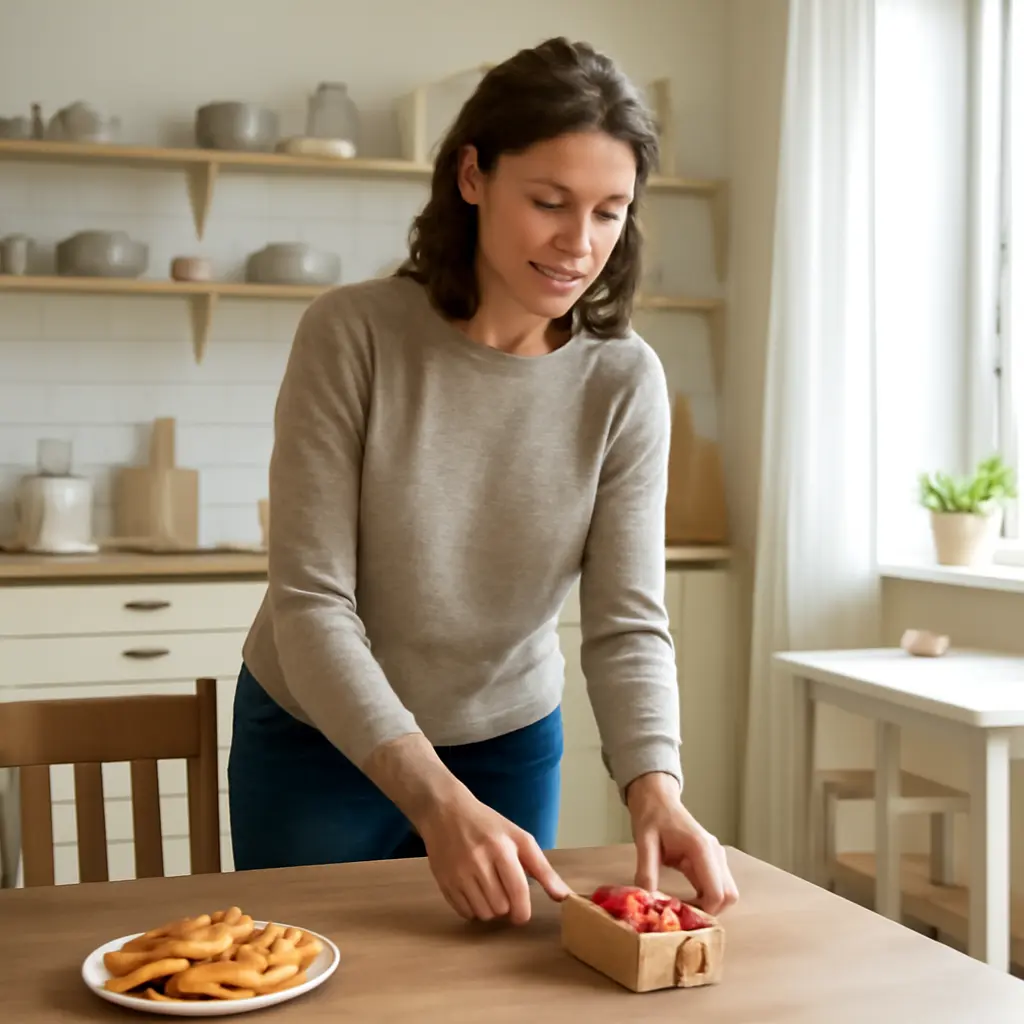
Everyday appreciation gifts are small, thoughtful tokens offered to recognize someone’s effort without waiting for a birthday, holiday, or other milestone. They matter because feeling valued is linked with stronger workplace engagement and relationships: Gallup has reported that employees who receive high-quality recognition are more likely to be engaged, while research on gratitude suggests that expressing thanks can strengthen social bonds. From a handwritten note or a favorite snack to a shared coffee, the most meaningful gesture is usually specific, sincere, and suited to the recipient—not expensive. This guide explains how everyday appreciation gifts validate effort, which kinds work best, how to give them considerately, and how individuals and teams can make recognition a regular habit.
Everyday Appreciation Gifts Validate Effort Through Timely, Specific Recognition
An everyday appreciation gift is a modest, voluntary gesture that communicates recognition for a person’s contribution, care, or perseverance. It can be tangible, such as a book or flowers, or experiential, such as bringing someone lunch or taking a short break together. The gift is not a substitute for fair pay, essential support, or a needed apology; its purpose is to make genuine appreciation visible in ordinary life.
Recognition is most validating when it identifies what someone did and why it mattered. Gallup and Workhuman’s 2022 workplace recognition research found that employees who strongly agree they receive valuable recognition are significantly more likely to feel connected to their organization and less likely to be looking for another job. Such findings concern workplace recognition broadly, not gifts alone, but they illustrate why the meaning and quality of appreciation matter more than the price of a present.
Personal tokens make effort visible
A personal token is a small item chosen to reflect the recipient’s preferences or the effort being acknowledged. A favorite pastry after a demanding week, a plant for someone who enjoys gardening, or a notebook for a colleague who has been organizing a project can say, “I noticed.” The connection between the gift and the person’s effort makes it feel less generic.
The American Psychological Association’s work on gratitude describes appreciation as a social emotion that can help reinforce relationships. A gift can carry that message, but it does not create gratitude by itself: a brief, sincere explanation is what connects the object to the contribution.
Experiences create shared appreciation
An experiential gift offers time or an activity rather than a physical object. Examples include inviting a friend for a walk, arranging a coffee break for a teammate, or offering to take over a small task so a family member can rest. These gestures are particularly useful when the recipient prefers time together or has limited space for more possessions.
A contextual bridge helps make the experience validating: name the effort, then offer the activity without making it feel like a reward that must be earned. For example, “You’ve been carrying a lot this week—lunch is on me” recognizes effort while leaving the recipient free to accept or decline.
Practical help can be a gift of appreciation
Practical appreciation means reducing someone’s workload or easing a daily burden. Running an errand, preparing a meal, sharing useful supplies, or volunteering for an inconvenient task can communicate respect more effectively than a decorative object. The best help is offered with attention to what the person actually wants; unsolicited assistance can otherwise feel intrusive or imply that someone cannot manage.
For example, a neighbor who has been caring for an ill relative might value a grocery delivery more than a bouquet. Asking first—“Would a meal this week be helpful?”—keeps the gesture supportive rather than presumptive.
Everyday Appreciation Gifts Work Best When They Match the Recipient
A useful appreciation gift reflects the recipient’s tastes, circumstances, and boundaries. The same gesture can be welcome to one person and uncomfortable to another. In a workplace, for instance, a public presentation may delight someone who enjoys recognition but embarrass a colleague who prefers privacy. Thoughtful choices therefore begin with observation and, when uncertain, a simple question.
Low-cost and handmade gifts keep appreciation accessible
Low-cost gifts include handwritten notes, homemade food, a playlist, a printed photo, or a small item that relates to a shared joke or interest. Their value lies in attention and meaning, not monetary expense. Handmade gifts can be especially personal, but they should not create an obligation for the recipient to display or use them.
The Center for Disease Control and Prevention’s guidance on social connection emphasizes the importance of supportive relationships for health and well-being. A modest gesture cannot replace ongoing care, but regular, considerate contact can help people feel remembered and included.
Workplace recognition should be fair and specific
Workplace appreciation gifts are small tokens or experiences offered to acknowledge contributions, collaboration, or extra effort. Examples include a coffee voucher, a team lunch, or a note naming a particular contribution. They are most credible when recognition is distributed fairly and tied to observable work rather than favoritism or personality.
Gallup and Workhuman’s research highlights that recognition is more effective when it is authentic, personalized, and embedded in organizational culture. Employers should therefore treat gifts as one optional expression of appreciation—not as a replacement for adequate compensation, manageable workloads, or respectful management. Policies should also account for accessibility, dietary needs, cultural differences, and workplace gift rules.
Family and friendship gifts can recognize invisible effort
At home and among friends, appreciation often means recognizing work that is easy to overlook: caregiving, planning, emotional support, household tasks, or consistently showing up. A sincere note, a prepared meal, or taking responsibility for a chore can validate that effort without turning care into a competition or tally.
The National Alliance for Caregiving and AARP reported in their 2020 caregiving research that about one in five U.S. adults provides unpaid care to an adult with health or functional needs. That scale helps explain why practical, recipient-led appreciation can matter to caregivers. A useful gesture might be offering a specific, manageable form of respite rather than simply saying, “Let me know if you need anything.”
Everyday Appreciation Gifts Need Sincerity, Consent, and Consistency
Even a generous gesture can miss its mark if it feels strategic, intrusive, or tied to an expectation of repayment. Good appreciation is freely given and proportionate. It does not pressure someone to respond with an equally valuable gift, accept unwanted attention, or perform additional work to prove they deserve recognition.
Specific words explain what the gift recognizes
Pairing a gift with a clear observation makes its meaning unmistakable. Instead of a vague “Thanks for everything,” try, “I appreciated how you stayed late to help us finish the presentation; it gave the team time to check the details.” Specific wording recognizes an action and its impact without exaggerating or making the moment about the giver.
A brief note can be more memorable than a costly item because it records exactly what the recipient contributed. Gallup’s workplace guidance similarly emphasizes recognition that is authentic and individualized. In personal relationships, the same principle applies: say what you noticed, why it mattered, and keep the message natural.
Respect preferences, budgets, and boundaries
Consider allergies, dietary restrictions, religious or cultural practices, accessibility, privacy, and whether gifts are appropriate in the setting. Avoid presents that could be interpreted as romantic, overly intimate, or an attempt to influence a decision. In professional contexts, check organizational rules before giving anything of significant value.
When preferences are unclear, choose a low-pressure option or ask. “Would you prefer a coffee, a snack, or a quiet thank-you note?” gives the person control and makes appreciation more inclusive.
Consistency matters more than spectacle
A consistent recognition habit means noticing contributions throughout the year rather than concentrating all appreciation around holidays or major milestones. It does not require constant gift-giving. A sincere message, practical help, or shared break may be enough, and rotating forms of recognition helps avoid turning appreciation into a predictable transaction.
A simple weekly practice is to notice one specific contribution, decide whether a gift or gesture would be welcome, and express thanks promptly. The practice works best when it remains flexible: some people value verbal appreciation, while others prefer quiet support or no public attention.
Conclusion: Everyday Appreciation Gifts Validate Effort Beyond Special Occasions
Everyday appreciation gifts turn attention into visible recognition. Personal tokens, shared experiences, and practical help can all validate effort when they are timely, specific, sincere, and suited to the recipient. Research on workplace recognition, gratitude, and caregiving supports the broader importance of feeling noticed, while also reminding us that a gift is only one small part of healthy relationships and supportive organizations.
Start with one person and one contribution you genuinely appreciate. Name what they did, choose a gesture that respects their preferences, and give it without expecting anything in return. Over time, ordinary acts of recognition can help create a culture in which effort is seen before a special occasion arrives.
Sources: Gallup and Workhuman, The Human-Centered Workplace: Building Organizational Cultures That Thrive, 2022, https://www.gallup.com/workplace/389421/employee-recognition-programs.aspx; American Psychological Association, Gratitude: A Quiet, Powerful Force, https://www.apa.org/monitor/2019/11/feature-gratitude; Centers for Disease Control and Prevention, Social Connection, https://www.cdc.gov/social-connectedness/about/index.html; National Alliance for Caregiving and AARP, Caregiving in the U.S. 2020, https://www.caregiving.org/research/caregiving-in-the-us-2020/.