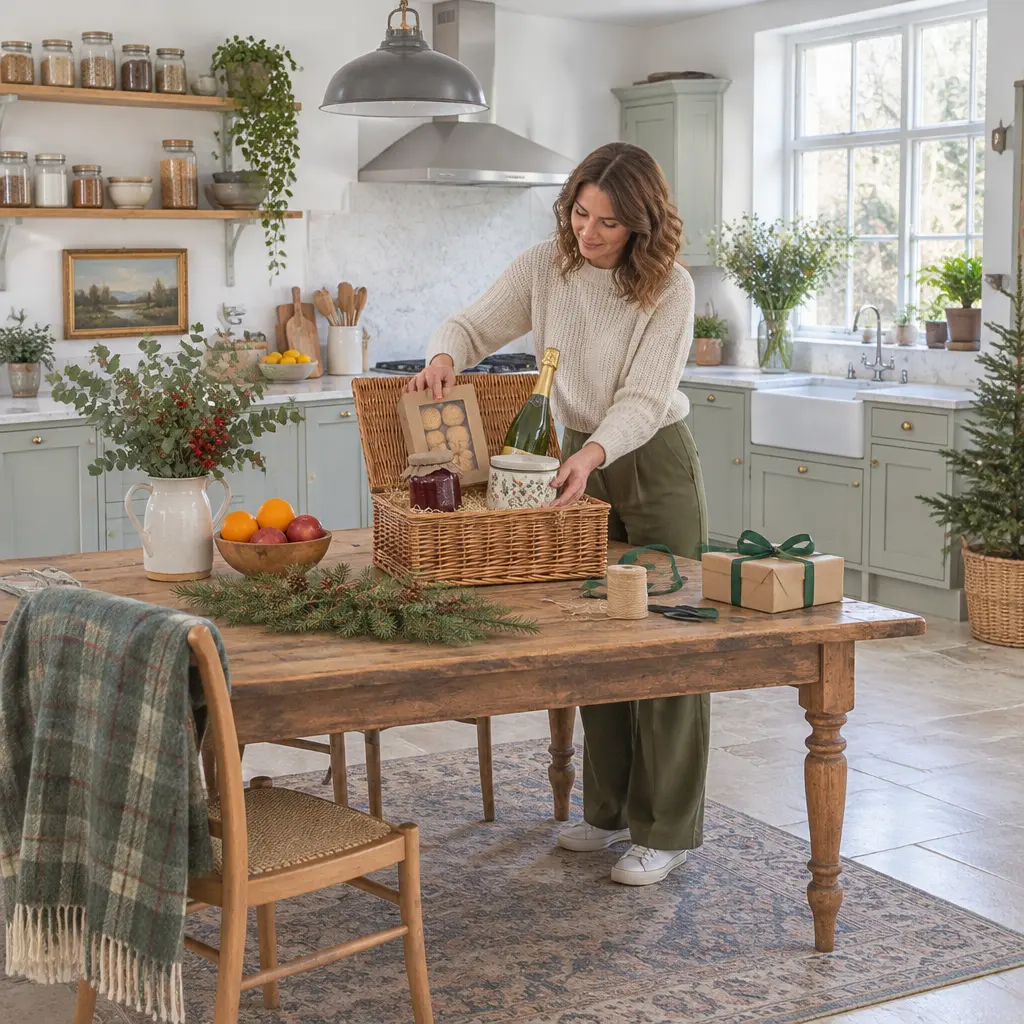
Festive hamper curation is the intentional selection and presentation of foods and gifts in a basket or box for a seasonal celebration. A successful hamper balances familiar symbols—such as Christmas pudding, spiced biscuits, and preserved fruit—with contemporary preferences for varied flavors, dietary inclusivity, and thoughtful sourcing. This balance matters commercially as well as culturally: the International Wine and Spirits Record reported that global no- and low-alcohol drinks volume grew 5% in 2023, illustrating how gift assortments can honor celebratory rituals while responding to changing tastes. The principles below cover symbolic anchors, modern flavor profiles, practical assortment design, and ways to make a hamper feel personal rather than formulaic.
Hamper curation balances festive symbols with contemporary taste
A curated hamper is more than a collection of products: it is a coordinated gift in which flavor, meaning, presentation, and recipient needs work together. The UK charity and food organization The Oxford Companion to Food describes the Christmas pudding tradition as a dish shaped by centuries of changing ingredients and customs. That history offers a useful lesson for modern gifting: traditions are not static, and familiar seasonal foods can evolve without losing their sense of occasion.
In practical terms, the balance is achieved by pairing recognizable festive items with a smaller number of contemporary alternatives. A classic fruit cake might sit beside dark chocolate with sea salt; spiced tea can accompany a botanical non-alcoholic aperitif. The hamper remains legible as a seasonal gift, but its contents better reflect current preferences and the diversity of people who may receive it.
Traditional symbols give festive hampers cultural meaning
Traditional symbols are foods, flavors, and presentation cues that signal a celebration through association and repeated use. Food historian Annie Gray, in her writing on British food history, describes festive dishes as products of changing social customs rather than timeless, unaltered recipes. In a hamper, the symbolic role of an item can therefore matter as much as its exact historical form: spice suggests warmth and abundance, while preserved fruit and rich baked goods evoke hospitality and winter feasting.
Common examples include mince pies, panettone, gingerbread, marzipan, spiced nuts, and seasonal preserves. Their significance varies by country, family, and faith, so no single assortment should be treated as universal. Curators can retain the broader themes—sharing, generosity, harvest, warmth—while selecting foods that suit the recipient’s own traditions.
Seasonal baked goods anchor recognition
Seasonal baked goods are pastries, breads, and cakes associated with a particular holiday or time of year. Panettone, stollen, fruit cake, and spiced biscuits provide a recognizable centerpiece and can be portioned for sharing. Their rich textures and aromatic ingredients also create an immediate sensory connection to the season.
A modern selection can preserve that role while offering alternatives: a smaller traditional loaf paired with citrus shortbread, gluten-free ginger biscuits, or a less-sweet nut cake. The aim is not to replace the classic item but to provide a second route into the same festive experience.
Spice, fruit, and preserves communicate abundance
Spiced and preserved foods are ingredients or products historically suited to storage and winter use, including dried fruit, chutneys, jams, candied peel, cinnamon, and clove. In a hamper, they contribute both flavor and a sense of seasonal plenty. Their sweet, sour, and aromatic qualities can also counterbalance richer baked goods and cheeses.
To keep the combination contemporary, pair a traditional preserve with a less expected flavor, such as blood orange marmalade, chili jam, or pear with ginger. The Food and Agriculture Organization of the United Nations notes that food loss and waste occur throughout supply chains, making careful purchasing and appropriately sized assortments useful parts of responsible food gifting. Choosing products likely to be enjoyed—and not simply adding more items—supports that goal.
Modern taste profiles broaden festive appeal
A modern taste profile is a combination of flavors, formats, and dietary options shaped by present-day preferences. It may include less-sweet foods, plant-based products, globally inspired seasonings, premium small-batch goods, and alcohol-free drinks. The International Wine and Spirits Record reported 5% growth in global no- and low-alcohol drinks volume in 2023, a clear signal that celebratory drinks need not depend solely on alcohol.
Modernization works best when it adds choice rather than erasing tradition. A hamper might include a classic sparkling wine alongside a non-alcoholic botanical drink, or traditional spiced nuts beside smoked almonds. This approach also helps account for recipients who do not drink alcohol, avoid certain ingredients, or prefer lighter flavors.
Less-sweet and contrasting flavors refresh familiar foods
A less-sweet profile limits concentrated sugar or balances sweetness with acidity, bitterness, salt, or spice. Dark chocolate, sharp fruit preserves, savory crackers, olives, and roasted nuts can prevent a hamper from feeling overwhelmingly rich. Contrasts make the assortment more versatile for grazing and sharing.
For example, pair a sweet fruit cake with unsweetened tea, or include both honey-roasted and lightly salted nuts. The pairing should be deliberate: one item provides the traditional note, while another offers contrast without making the overall gift feel disconnected.
Plant-based, alcohol-free, and allergen-aware choices improve inclusion
Inclusive curation means choosing products that accommodate known dietary requirements and clearly communicating ingredients. Plant-based chocolates, vegan biscuits, alcohol-free aperitifs, and nut-free snacks can make a hamper usable by more recipients. However, labels such as “vegan” or “free from” should be checked against the actual product packaging, and a gift-giver should not assume that a dietary preference is universal.
The U.S. Food and Drug Administration identifies nine major food allergens for U.S. labeling: milk, eggs, fish, crustacean shellfish, tree nuts, peanuts, wheat, soybeans, and sesame. Requirements differ across countries, so buyers should review local labeling rules and manufacturer statements. Where allergies are known, avoid products with relevant ingredients and consider cross-contact warnings rather than relying on appearance or general marketing claims.
Global flavors add variety without losing seasonal coherence
Global flavor influences include ingredients and techniques drawn from different culinary traditions, such as cardamom, matcha, yuzu, harissa, or sesame. These can broaden a familiar seasonal palette when used as accents rather than as an unrelated collection. A citrus preserve with yuzu, for instance, can complement the role of traditional marmalade while giving the hamper a distinctive contemporary note.
Coherence is the key. Choose one or two flavor directions—such as citrus and spice, or savory Mediterranean snacks—and repeat them across several items. This makes the assortment feel designed rather than assembled from novelty products.
Assortment design turns ingredients into a thoughtful gift
Assortment design is the process of selecting and arranging products so that the hamper has variety, balance, and a clear purpose. A practical sequence is to choose a symbolic anchor, add contrasting flavors, include a drink or non-food element if suitable, and then check dietary fit, packaging, and value. This method works for personal gifts and business hampers because it makes the selection intentional and easier to explain.
As a planning aid, the following table illustrates a balanced pattern rather than a fixed formula.
| Role | Traditional example | Contemporary companion |
|---|---|---|
| Festive anchor | Stollen or fruit cake | Citrus loaf or gluten-free spiced cake |
| Sweet contrast | Mince pies or candied peel | Dark chocolate with sea salt |
| Savory balance | Cheese biscuits or spiced nuts | Olives, seeded crackers, or smoked almonds |
| Celebration drink | Wine or sparkling cider | Alcohol-free botanical aperitif or specialty tea |
Build variety across flavor, texture, and use
Sensory variety means balancing sweet, savory, acidic, bitter, and aromatic notes as well as soft, crisp, and crunchy textures. Use variety also matters: some items should be ready to eat, while others can contribute to a shared meal or later occasion. A good assortment might combine a snack, a pantry product, a treat, and a beverage rather than repeating the same category several times.
A useful test is to ask whether the recipient can enjoy the contents in more than one setting: opening the gift, sharing a snack, and serving something at a gathering. This simple check helps prevent a visually impressive hamper from becoming a set of products with no natural occasion for use.
Use provenance and packaging to reinforce the story
Provenance is information about where and how a product was made or sourced. Local producers, seasonal ingredients, and reusable packaging can give a hamper a clearer story, provided claims are accurate and specific. Rather than relying on broad terms such as “ethical” or “sustainable,” identify meaningful details such as a named producer, a refillable container, or a verified certification.
Presentation should protect the products and make them easy to find. Use padding for fragile items, keep heavy goods at the bottom, and group products by use or flavor. A short card explaining the pairings—such as why a particular preserve accompanies a cheese or biscuit—can make the curation feel personal without adding unnecessary packaging.
A practical curation method balances meaning and preference
For a real-world example, consider a winter hamper for a mixed household. Begin with one familiar seasonal item, such as a small panettone, then add an alternative sweet, a savory snack, a preserve, and a choice of drinks that includes an alcohol-free option. If the recipients’ dietary needs are unknown, favor clearly labeled products and avoid making the hamper dependent on a single allergen-heavy item. The result preserves seasonal recognition while offering different ways to participate.
- Choose the occasion and recipient before selecting products.
- Select one or two traditional anchors that fit the recipient’s culture or preferences.
- Add modern contrasts in flavor, format, or dietary suitability.
- Check ingredient labels, storage needs, shelf life, and delivery conditions.
- Arrange products by weight and fragility, then include a concise explanation of the selection.
This approach also makes budgets easier to manage. A smaller number of well-matched products can feel more considered than a larger assortment of unrelated goods. For corporate gifts, organizers should also confirm delivery timing, alcohol policies, and any recipient preference data before ordering at scale.
Conclusion: preserve festive meaning while making room for change
Festive hamper curation succeeds when traditional symbols provide recognition and modern taste profiles provide relevance. Seasonal baked goods, spice, and preserves establish cultural meaning; less-sweet options, inclusive drinks, plant-based choices, and global flavors widen appeal. Thoughtful assortment design then connects these elements through sensory balance, clear provenance, safe labeling, and useful presentation.
The broader implication is that traditions can remain meaningful when they adapt to the people celebrating them. Before assembling a hamper, consider the recipient’s customs, preferences, and dietary needs, then choose a compact selection with a clear story. For further planning, consult food-labeling guidance from the relevant national regulator and seek out producer information that can be verified.
Sources: International Wine and Spirits Record, “No- and Low-Alcohol Drinks Volume Grew 5% in 2023,” https://www.theiwsr.com/; The Oxford Companion to Food, “Christmas pudding,” Oxford University Press, https://www.oxfordreference.com/; Annie Gray, The Greedy Queen: Eating with Victoria, Profile Books, https://profilebooks.com/; Food and Agriculture Organization of the United Nations, “Food Loss and Food Waste,” https://www.fao.org/food-loss-and-food-waste/en/; U.S. Food and Drug Administration, “Food Allergies,” https://www.fda.gov/food/food-labeling-nutrition/food-allergies.