Wedding favors are small gifts couples give guests as a thank-you for attending. The most useful favors are practical, easy to carry, and suited to guests’ everyday routines—not merely personalized keepsakes that may be left behind. That principle matters because wedding expenses add up: The Knot’s 2024 Real Weddings Study reported an average U.S. wedding cost of $33,000, making it sensible to choose favors that deliver genuine value. From edible gifts and reusable drinkware to locally made items and charitable donations, the best choice balances usefulness, budget, portability, and personal meaning.
Wedding Favor Utility: What Makes a Keepsake Useful?
Wedding favor utility is the practical value a favor offers guests after the celebration. There is no single industry standard or universally accepted measure for it; couples can assess it through likely use, convenience, durability, and fit with the event. The U.S. Environmental Protection Agency’s waste-prevention guidance emphasizes reducing unnecessary materials and choosing items intended for continued use. Applied to favors, that suggests prioritizing something guests can consume, reuse, or put to work instead of a personalized object with no clear purpose.
A useful favor does not have to be expensive or elaborate. It should be relevant to the guest, comfortable to take home, and easy to understand or enjoy. These qualities connect the main categories of practical favors: consumables, reusable everyday items, locally meaningful gifts, and non-object alternatives such as charitable donations.
Usefulness, durability, and guest fit
Usefulness describes whether a favor serves a recognizable purpose; durability describes how long it can serve that purpose; guest fit describes whether it suits the people receiving it. A reusable tote, for example, may be useful for shopping, but only if it is sturdy and not so bulky that guests struggle to carry it during the event. A small jar of local honey may have a shorter life as an object, yet offer immediate value because it can be eaten.
Think about the setting as well as the item. Guests traveling by air may have limited luggage space, while outdoor guests may appreciate sunscreen or a compact fan. The U.S. Transportation Security Administration’s restrictions on liquids in carry-on baggage are another reason to avoid assuming every guest can easily transport liquid favors.
A practical favor-selection scorecard
A simple scorecard helps couples compare ideas without pretending to predict each guest’s behavior precisely. Rate each candidate from one to five on expected use, portability, durability, inclusivity, and cost per guest. A high total is a useful screening tool, not a guarantee that everyone will keep the item.
- Expected use: Can guests eat it, use it, or share it?
- Portability: Is it easy to carry home, including for travelers?
- Durability: Will it remain functional after the wedding?
- Inclusivity: Does it account for dietary needs, allergies, and varied preferences?
- Cost and waste: Does its value justify the price, packaging, and materials?
With those criteria in mind, couples can compare favor types by the kind of value they provide rather than relying on appearance alone.
Wedding Favor Categories That Guests Can Use
Practical wedding favors fall into several related categories: consumables, reusable goods, locally sourced products, experience-based gifts, and charitable contributions. Each offers a different form of utility. Consumables provide immediate enjoyment, reusable items can serve recurring needs, and donations create meaning without asking guests to take home another object.
Edible and drinkable favors
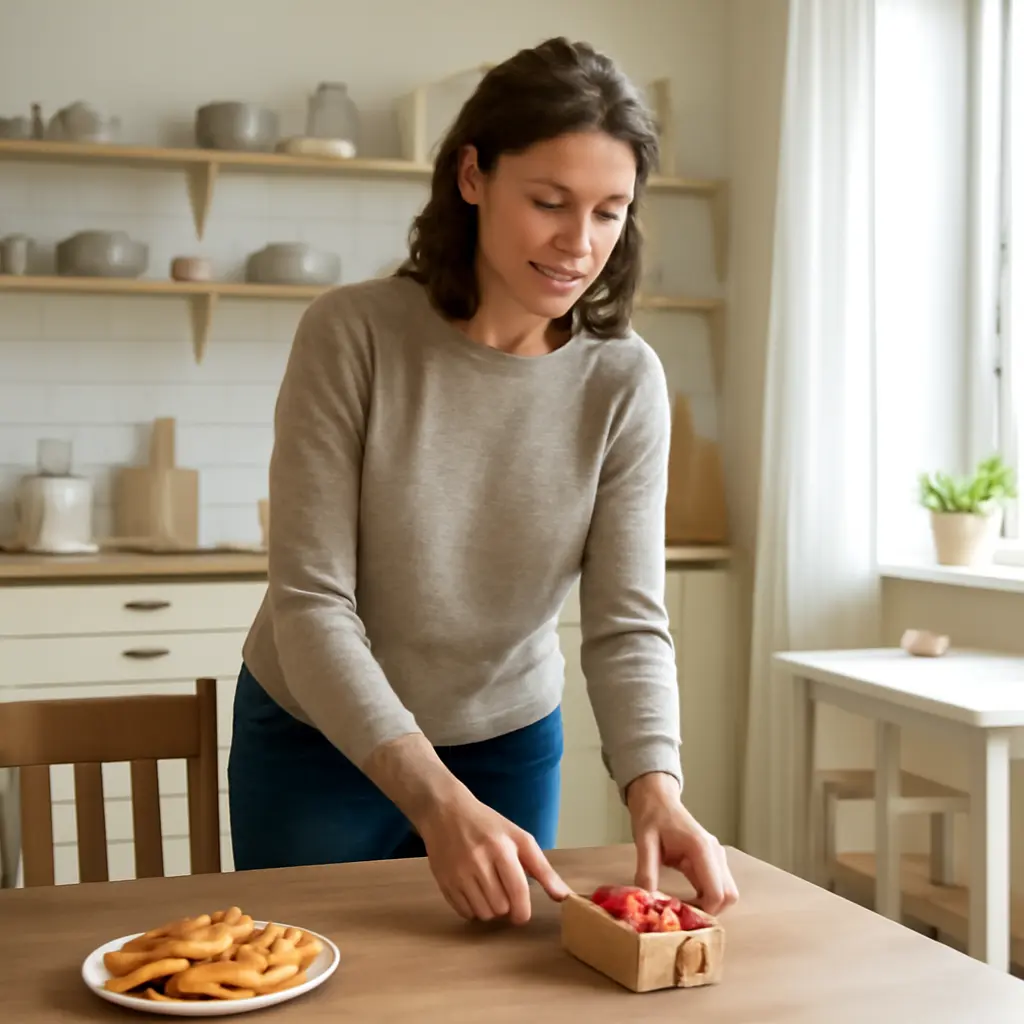
Consumable favors include food and drinks guests can enjoy at the reception or later. Examples include locally produced honey, tea, coffee, spice blends, olive oil, and packaged baked goods. Since the gift is used up, guests do not need to find storage space for a permanent keepsake. Choose clear ingredient labels, sealed packaging, and options that account for common dietary restrictions; avoid assuming a single food choice works for everyone.
The U.S. Food and Drug Administration identifies nine major food allergens, including milk, eggs, fish, shellfish, tree nuts, peanuts, wheat, soybeans, and sesame. That makes ingredient transparency a practical part of favor planning, especially when gifts are prepared or repackaged for the event. For perishable items, follow food-safety guidance and consider how long favors will sit out.
Reusable items for everyday routines
Reusable favors are objects intended for repeated use, such as quality tote bags, compact umbrellas, reusable straws, or drinkware. Their potential value depends on function and build quality: a flimsy item is less likely to become part of someone’s routine. Keep personalization subtle—such as a small date or symbol—so the object remains usable beyond the wedding.
The U.S. Environmental Protection Agency’s waste hierarchy places source reduction and reuse ahead of disposal. That general principle supports choosing a durable item guests are likely to use, rather than treating “reusable” as automatically sustainable. A favor’s materials, packaging, transport, and actual usefulness all affect its environmental value.
Local products and place-based gifts
A place-based favor reflects the wedding’s location or the couple’s community, such as regional preserves, locally roasted coffee, native-seed packets, or work from a neighborhood maker. These gifts can offer guests a small taste of the destination while directing spending toward local businesses. For seed favors, select species appropriate to the region and provide simple planting instructions; avoid distributing plants that may be invasive or unsuitable for local conditions.
Local sourcing is not a guarantee of lower environmental impact, since production methods and packaging also matter. Still, it can strengthen the connection between the favor and the event while making the gift more distinctive than a generic trinket.
Donations and experience-based alternatives
A charitable favor replaces a physical gift with a donation to a cause meaningful to the couple. A small sign or place card can explain the choice, while making clear that the contribution is made by the couple rather than implying guests made a donation themselves. Experience-based alternatives include a shared dessert station, a photo booth, or a take-home digital gallery link. These options can create a memorable benefit without adding an individual object to every place setting.
The best alternative depends on the guests and the event. Some people value a tangible item; others may prefer a shared experience or a donation. Offering a modest edible favor alongside a charitable contribution is one way to accommodate different preferences without creating unnecessary clutter.
Wedding Favor Planning: Budget, Presentation, and Logistics
Once a favor’s purpose is clear, planning shifts to quantity, cost, presentation, and distribution. The Knot’s 2024 Real Weddings Study reported an average U.S. wedding cost of $33,000, but that figure is a broad benchmark—not a recommended favor budget. Couples should set a total spending limit based on their priorities and calculate the complete per-guest cost, including packaging, assembly, taxes, shipping, and delivery.
Set a realistic budget and quantity
Budgeting by total cost prevents an attractive unit price from hiding expenses such as custom labels or individual boxes. Estimate the number of attendees, decide whether favors are per person or per household, and ask suppliers about minimum order quantities and lead times. Keep a small reserve for breakage, late additions, or damaged packaging instead of ordering far more than needed.
Favor prices vary widely by product and region, so there is no reliable universal average that fits every wedding. Request itemized quotes and compare them using the same specifications. If the useful option exceeds the budget, simplify the packaging or choose one well-made gift per household rather than lowering quality until the item becomes disposable.
Make packaging portable and low-waste
Packaging protects a favor and communicates its contents, but elaborate wrapping can add cost and waste. Use the minimum protection necessary, avoid oversized boxes, and make labels readable. For edible gifts, prioritize food-safe packaging and clear ingredient information. If favors are displayed at a table, place them where guests can collect them without interrupting service or blocking accessible routes.
A favor may look appealing in a styled photograph yet be awkward in practice. Test a sample by carrying it with a coat, bag, or drink, and check whether it fits in a standard suitcase or can be safely packed. This small trial can reveal problems before a large order is placed.
Personalize without sacrificing usefulness
Personalization can connect a favor to the couple, but permanent names and wedding dates may make everyday objects less appealing to some recipients. Consider removable tags, understated marks, or a note that can be recycled separately. The favor itself should remain functional whether or not a guest wants a reminder of the event.
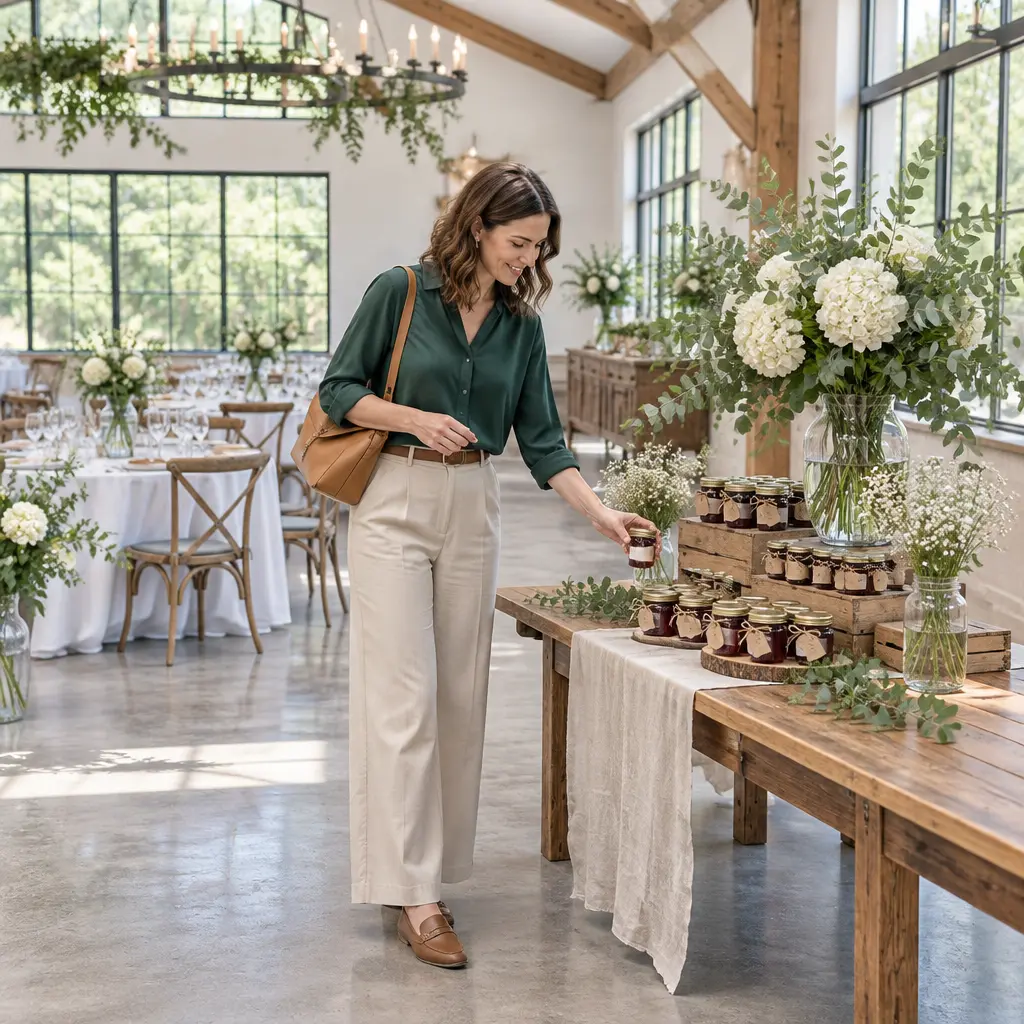
For example, a couple hosting a summer garden wedding might offer small jars of locally made jam with a discreet label and an ingredient list. Guests can enjoy the product, the local connection gives it context, and compact packaging makes it easier to transport than a fragile decorative item. This is an illustrative planning example, not a measured case study.
Conclusion: Choose Wedding Favors for Life After the Reception
Wedding favor utility comes down to practical value, guest fit, portability, and thoughtful use of resources. Consumables can offer immediate enjoyment; durable reusable items can serve everyday routines; local products can connect guests to a place; and donations or shared experiences can provide meaningful alternatives. A realistic budget, clear labeling, and simple packaging help those choices work in practice.
Before ordering, score a few options against likely use, convenience, inclusivity, and full cost, then test a sample. Choose a favor guests can enjoy or use after the event—and be comfortable offering no physical favor if that better reflects your priorities.
Sources: The Knot, 2024 Real Weddings Study, https://www.theknot.com/content/average-wedding-cost; U.S. Environmental Protection Agency, Sustainable Materials Management: Non-Hazardous Materials and Waste Management Hierarchy, https://www.epa.gov/smm/sustainable-materials-management-non-hazardous-materials-and-waste-management-hierarchy; U.S. Food and Drug Administration, Food Allergies, https://www.fda.gov/food/food-labeling-nutrition/food-allergies; Transportation Security Administration, Liquids Rule, https://www.tsa.gov/travel/security-screening/liquids-rule